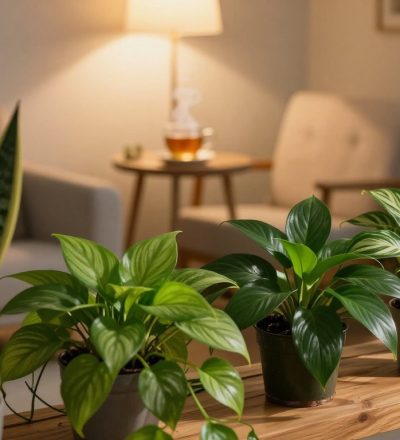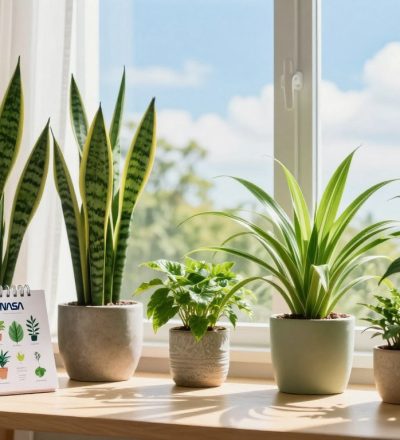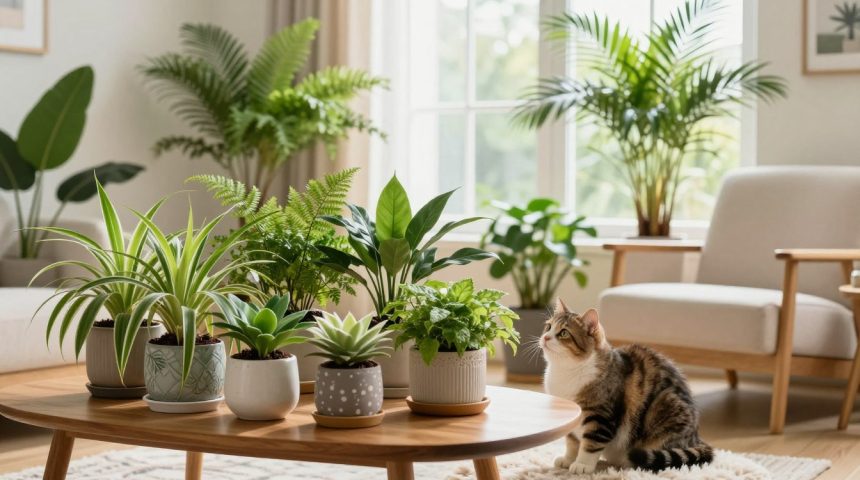
Welcome to my green sanctuary! My home is filled with over a hundred unique plants. I share it with Astro and Bumble, my cats, and Maggie, our French Bulldog.
Maybe you think plants and pets can’t live together. But I’m here to say you can have both. You don’t have to pick between your love for nature and your pets.
Choosing non-toxic foliage doesn’t mean you lose out on beauty or choice. You can create a lush space without risking your pets’ safety. Let’s find the best safe plants for your home.
These plants add beauty while keeping your pets safe. With the right knowledge, your home can be both beautiful and pet-friendly. Learn how to enjoy plants and pets together today.
Key Takeaways
- Foliage and pets can coexist beautifully in any modern home.
- You don’t have to choose between greenery and feline well-being.
- Many common species are non-toxic to your curious animals.
- Personal experience proves a shared space is achievable and stylish.
- Identifying non-toxic varieties is the best starting point for success.
The Philosophy of a Pet-Friendly Home
A pet-friendly home is more than just for pets. It shows the values and lifestyle of the owner. It’s about making a safe and welcoming space for your cat. This means more than just picking the right plants.
Why Your Choice of Greenery Reflects Your Values
Choosing indoor plants safe for cats shows you care about your pet’s well-being. It shows you’re a responsible pet owner. You want your home to be a safe haven for your cat.
The Emotional Connection Between Cats and Nature
Cats have a natural bond with the outdoors. Bringing plants into your home can strengthen this bond. Plants not only clean the air and make your home look nice. They also give your cat a natural environment to enjoy.
- Choose plants that are non-toxic to cats.
- Keep toxic substances and hazardous materials out of reach.
- Secure loose items that could be harmful if ingested or played with.
By choosing the right plants and products, you’re not just making a safe space. You’re also building a deeper connection with your cat. This connection is based on trust, care, and a shared love for home.
Identifying Indoor Plants Safe for Cats
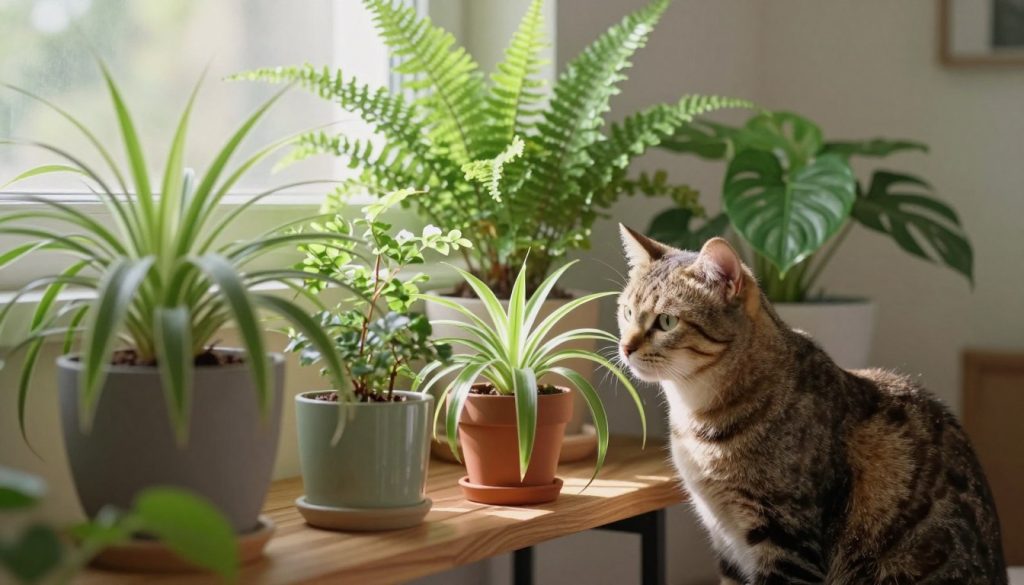
There are many indoor plants safe for cats. It’s important to pick plants that won’t harm your pet. This way, you can enjoy the beauty and benefits of plants without worrying about your cat’s safety.
The Resilient Spider Plant
The Spider Plant (Chlorophytum comosum) is easy to care for and versatile. It looks great in hanging baskets or pots and helps clean the air. It’s also perfect for beginners because it can handle forgetful watering.
The Elegant Parlor Palm
The Parlor Palm (Chamaedorea elegans) brings elegance to any room. It prefers bright, indirect light and is easy to care for. This makes it a great choice for homes with limited sunlight and pet owners.
The Vibrant Calathea Collection
Calathea plants are colorful and vibrant. They do well in rooms with limited sunlight and need well-draining soil. These plants are safe for cats and add color to your home.
The Charming Boston Fern
The Boston Fern (Nephrolepis exaltata) adds a tropical feel to your home. It likes bright, indirect light and consistent moisture. This fern is safe for cats and brings a natural, serene vibe to your space.
The Low-Maintenance Haworthia
Haworthia is a low-maintenance succulent. It thrives in bright, indirect light and only needs water occasionally. Its safety for cats and easy care make it a great choice for busy owners.
Why Some Popular Plants Are Dangerous
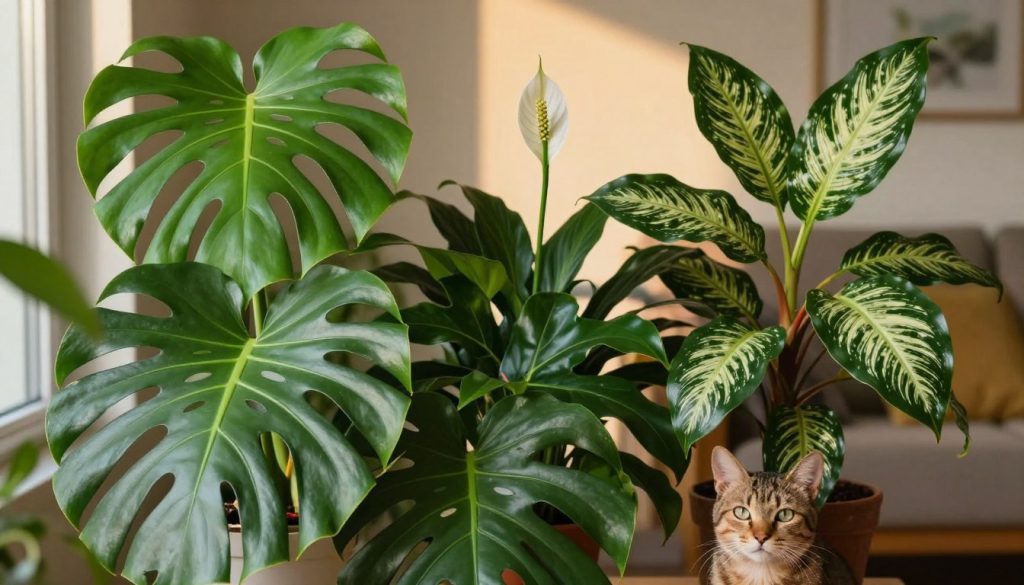
When you set up your indoor garden, think about the dangers some plants can pose to cats. Many houseplants are toxic to cats, leading to health problems from mild irritation to serious conditions.
Some plants have sap or crystals that can irritate a cat’s mouth and stomach. For example, some common home plants can be very dangerous.
The Hidden Risks of Lilies and Philodendrons
Lilies are very toxic to cats. Eating them can lead to fatal kidney failure. It’s important to keep lilies away from your home if you have cats.
Philodendrons have crystals that can irritate a cat’s mouth and stomach. While not usually deadly, they can make your cat very uncomfortable.
Here are some key risks associated with these plants:
- Lilies can cause kidney failure in cats.
- Philodendrons contain calcium oxalate crystals that irritate the mouth and gastrointestinal tract.
- Both plants can be tempting for curious cats due to their appearance or scent.
Why You Should Trust Your Instincts Over Trends
Choosing houseplants can be tempting by what’s popular. But, your cat’s safety should always come first. If a plant looks risky or you’re not sure about its safety, trust your gut and stay away from it.
Here are some tips for safer choices:
- Research the plant before bringing it home.
- Keep toxic plants out of your cat’s reach, if you decide to have them.
- Watch how your cat acts around plants.
By knowing the dangers and taking steps to avoid them, you can make a safe space for your plants and pets.
Creating a Lush Sanctuary Without Compromise
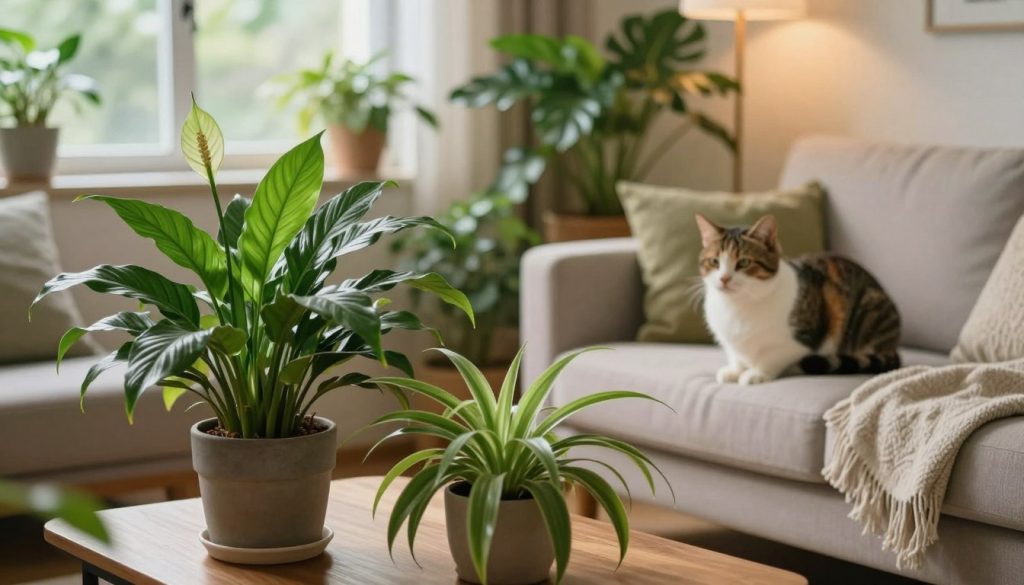
Turning your home into a safe haven for your cats takes creativity and planning. You can have a stunning indoor garden that’s safe for your pets. Just make a few smart choices.
Strategic Placement for Maximum Aesthetic Impact
One smart move is to place plants carefully. This way, you can keep your pets safe and show off your plants’ beauty.
Put plants where your cat can’t get to them, like on high shelves or in hanging baskets. This keeps your plants safe and adds beauty to your home.
Using Vertical Space to Protect Your Foliage
Using vertical space is a great way to keep your plants safe and make your home look better. Hang planters or use wall-mounted planters to keep plants out of your cat’s reach.
This method not only keeps your plants safe but also makes your rooms look bigger and more open. It’s a win-win for both you and your plants.
- Use hanging baskets for trailing plants like the Boston Fern.
- Install wall-mounted planters for a vertical garden.
- Place plants on high shelves to keep them out of reach.
Maintenance Tips for Healthy Plants and Happy Cats
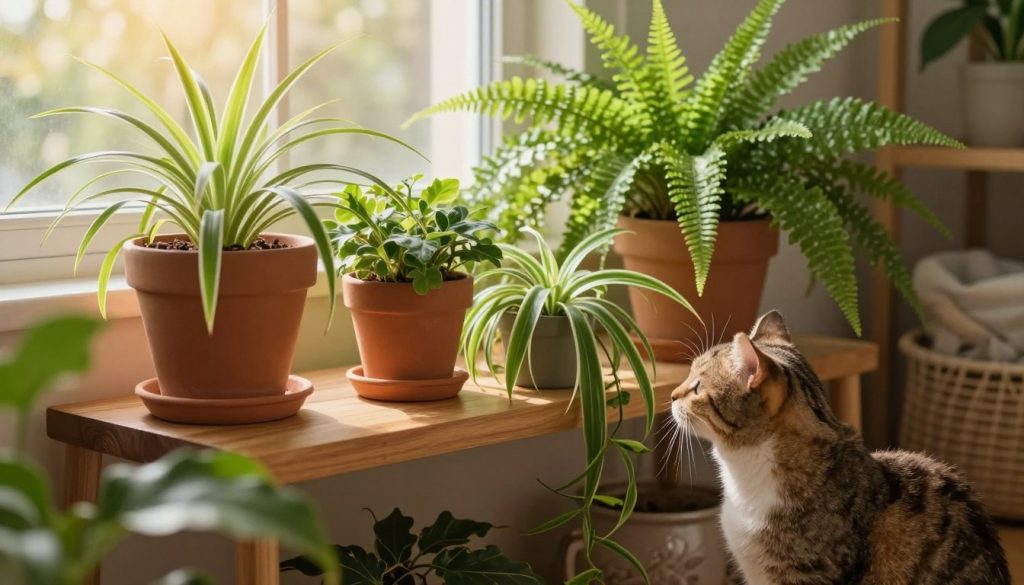
To enjoy lush indoor plants and keep your cats safe, choose the right plants and follow some simple tips. These strategies help create a space where plants and pets can thrive together.
Natural Deterrents That Keep Paws Away
Protect your plants from curious cats with natural deterrents. Certain smells and textures can keep cats away. For instance, citrus peels or mint leaves around your plants can be unappealing to cats.
Physical barriers like decorative rocks or pinecones also work well. They add beauty to your garden while keeping cats out.
- Use citrus peels or mint leaves to deter cats
- Place decorative rocks or pinecones around plants
- Try using a spray made from vinegar or lemongrass
Monitoring Your Cat for Behavioral Changes
Watch your cat’s behavior around plants closely. Some cats may be more curious or sensitive. If you see changes, like more interest in a plant or signs of illness, talk to your vet.
Being proactive and attentive to your cat’s needs helps prevent problems. This way, you ensure a safe and happy space for both your pets and plants.
Conclusion
You can enjoy the beauty of indoor plants while keeping your feline friends safe. By choosing indoor plants safe for cats, you create a peaceful and healthy environment. This is good for both your pets and your plants.
Remember to avoid plants like day lilies and true lilies, often found in cut flower arrangements. These plants are harmful to cats. Instead, choose pet-friendly options like the resilient Spider Plant or the elegant Parlor Palm.
With a little planning and awareness, you can have a lush sanctuary. This sanctuary will bring joy to both you and your cats. By being mindful of the plants you bring into your home, you can ensure a safe and happy coexistence.