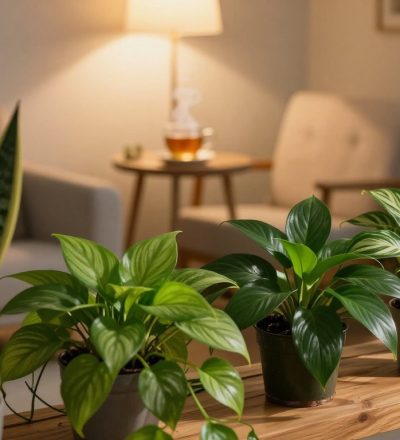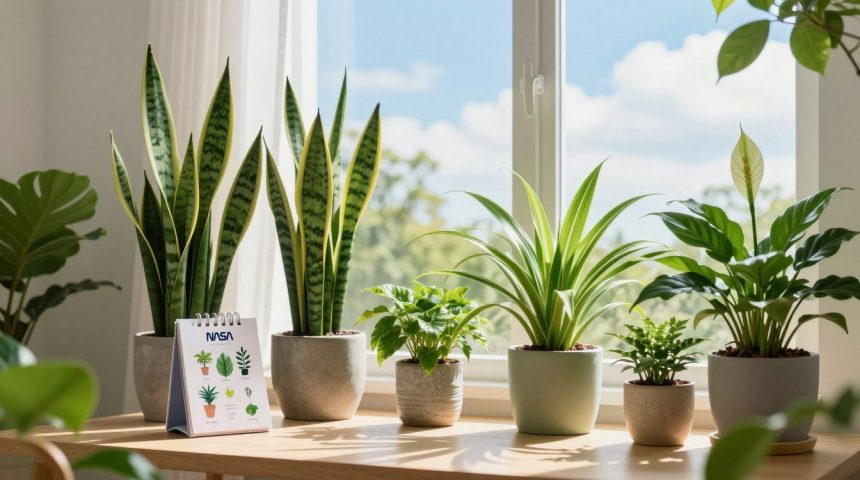
We often spend most of our time inside without noticing the air might be stale. Creating a healthy environment is key for our well-being and focus. We all want a place that feels welcoming and clean.
Scientists have discovered that some natural filters can remove harmful toxins from the air. We’re excited to share NASA-approved species that improve air quality in any room. These findings come from studies on keeping space stations habitable for long periods.
These indoor plants offer a simple way to breathe better every day. Each one has its own way of cleaning the air around us. Let’s explore ten unique varieties that keep our living spaces fresh and vibrant.
By adding more foliage to our rooms, we can feel closer to nature. We believe everyone deserves a home filled with fresh oxygen and beauty. Focusing on air quality improvement is a great step toward a healthier lifestyle.
Key Takeaways
- Clean air is essential for maintaining a healthy and productive home environment.
- Scientific research identifies specific foliage that acts as a natural filter.
- NASA-approved plants are proven to remove common interior toxins effectively.
- Incorporating these species can lead to significant air quality improvement.
- Natural greenery provides a cost-effective way to boost our overall well-being.
- We highlight ten easy-to-grow varieties perfect for any office or living space.
Why We Need the Best Indoor Plants for Healthier Homes
Most of us spend about 90% of our time indoors. This makes keeping the air inside our homes clean very important.
“The air inside our homes is often more polluted than the air outside,” a fact that highlights the need for effective indoor air purification methods. One of the most natural and efficient ways to achieve this is by incorporating air-purifying plants into our living spaces.
The Indoor Air Quality Crisis
Indoor air pollution is a big problem because it can harm our health. Things like household items, building materials, and furniture can release harmful pollutants into the air. These pollutants can cause a variety of health problems.
The Environmental Protection Agency (EPA) says indoor air pollution is one of the top five environmental risks to public health. This shows we really need good ways to clean the air we breathe indoors.
NASA’s Clean Air Study Explained
In the 1980s, NASA did a Clean Air Study. They wanted to find plants that could clean the air in space stations. They found some plants are great at removing indoor air pollutants like benzene, formaldehyde, and trichloroethylene.
“The results of the study showed that indoor plants can remove up to 87% of indoor air pollutants in a 24-hour period.”
This important research has helped make indoor air cleaner in homes and offices.
How Indoor Plants Purify Air
Indoor plants clean the air through a process called phytoremediation. They take in pollutants through their leaves and roots. Then, they break down these pollutants and use them as food.
This natural process not only makes the air cleaner but also makes our living spaces healthier. By adding the right plants to our homes, we can greatly lower the risks of indoor air pollution.
Spider Plant: The Low-Maintenance Air Purifier
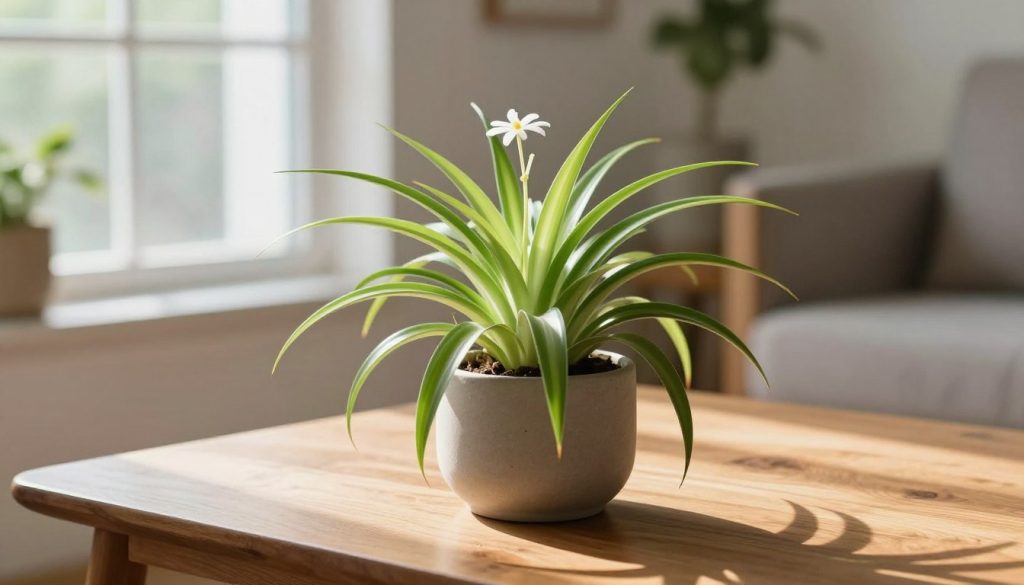
The spider plant is famous for cleaning the air and needing little care. It’s perfect for those who are busy or new to growing plants indoors. Its elegant stems and leaves not only purify the air but also make any room look beautiful.
Overview and Air Purifying Capabilities
The spider plant is a favorite among houseplants for its air-cleaning abilities. It can remove toxins and pollutants from the air, making it better to breathe. Spider plants are great at removing formaldehyde and xylene, which are found in furniture, paint, and other household items.
Toxins Removed by Spider Plants
Spider plants can remove harmful toxins from the air, including:
- Formaldehyde
- Xylene
- Toluene
Air Cleaning Efficiency
Studies have shown that spider plants can greatly improve indoor air quality. They are efficient air purifiers, removing pollutants from the air. This makes the indoor environment healthier.
Care Requirements and Growing Conditions
Spider plants are loved for their easy care. They can grow well in many conditions, making them perfect for different parts of the home.
Light and Water Needs
Spider plants like bright, indirect light but can handle different lighting. They need to be watered well, letting the soil dry a bit before watering again. Too much water can cause root rot, so finding the right balance is key.
Soil and Fertilizer Recommendations
A potting mix that drains well is best for spider plants. Fertilizing them during the growing season (spring and summer) helps them grow strong. Use a balanced, water-soluble fertilizer.
Best Placement in Your Home
Spider plants can go in many places around the home, like hanging baskets or pots on shelves. They do well in areas with bright, indirect light, such as near an east- or west-facing window.
Snake Plant: The Bedroom Air Quality Champion
The snake plant is great at cleaning the air and does well in little light. It makes your room look good and helps keep the air healthy.
Overview and Toxin Removal Properties
The snake plant, also known as Sansevieria Trifasciata, is famous for cleaning the air. It’s really good at getting rid of formaldehyde and benzene.
Formaldehyde and Benzene Elimination
Formaldehyde comes from furniture and household items. Benzene is in plastics and synthetic fibers. The snake plant removes these bad stuffs, making the air better.
Unique Oxygen Production at Night
The snake plant makes oxygen at night, unlike most plants. This is great for bedrooms because it helps you sleep better by keeping oxygen flowing.
Watering and Light Needs
Taking care of a snake plant is easy. It doesn’t need much water and can handle little light, perfect for dark rooms.
Minimal Water Requirements
Snake plants can go a long time without water. But, don’t water them too much or they might get root rot.
Tolerating Low Light Conditions
Snake plants do well in bright light but also in dim light. This makes them great for many places inside.
Ideal Locations for Maximum Benefit
Put a snake plant in places where you hang out a lot, like bedrooms and living rooms. This way, you get the most benefits.
| Location | Benefits |
|---|---|
| Bedrooms | Oxygen production at night, improved sleep quality |
| Living Rooms | Air purification, aesthetic appeal |
| Offices | Low maintenance, toxin removal |
Peace Lily: Beautiful and Effective Air Cleaner
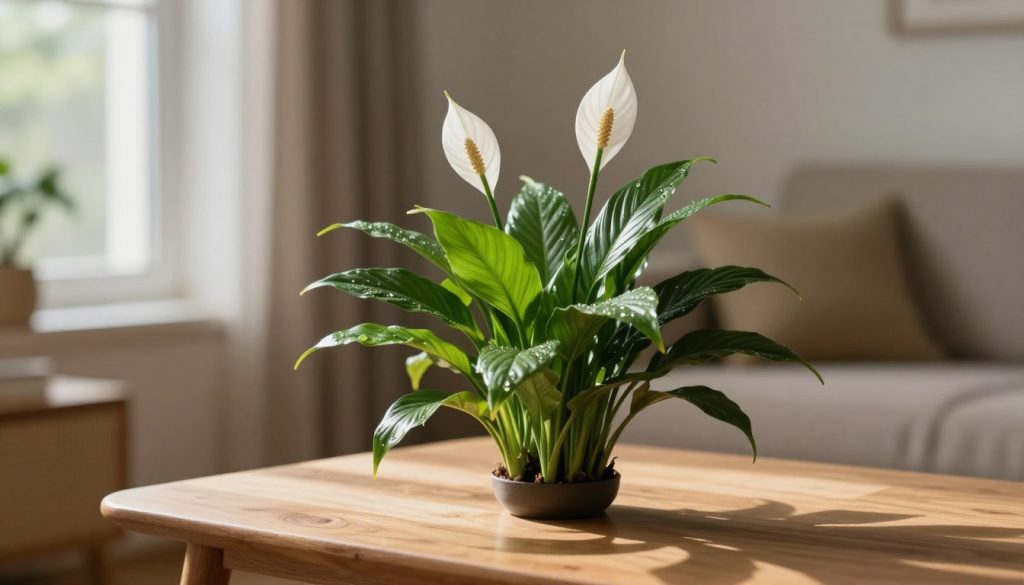
Peace lilies are not just beautiful, but they also clean the air. Their white blooms bring peace to any room. They are one of the best plants for air quality and a favorite for indoor spaces.
Overview and Pollutant Removal
The peace lily is a top air purifier. It removes harmful toxins from the air. It’s great for homes and offices.
What Toxins Peace Lilies Eliminate
Peace lilies are good at removing:
- Benzene, a known carcinogen found in plastics and synthetic fibers
- Formaldehyde, commonly used in adhesives and resins
- Trichloroethylene, a solvent used in dry cleaning and metal degreasing
Mold Spore Reduction Benefits
Peace lilies also reduce mold spores in the air. This is good for people with allergies or mold sensitivities.
How to Care for Your Peace Lily
To keep your peace lily healthy and air-purifying, follow these tips.
Watering and Humidity Requirements
Peace lilies need well-draining soil and should be watered carefully. Let the soil dry a bit between waterings. They like a humid environment, between 40-60% relative humidity.
Light Preferences
Peace lilies can handle low light but bloom better in bright, indirect light. Avoid direct sunlight to prevent leaf scorching.
Safety Considerations for Pets and Children
Peace lilies are toxic if eaten. Keep them away from pets and kids to prevent harm.
Boston Fern: The Humidity-Loving Air Purifier
The Boston fern is special for its love of humidity. This makes it perfect for humid places like bathrooms or kitchens.
Overview and Air Purification Benefits
The Boston fern is not just pretty; it also cleans the air. It removes pollutants, making the air better to breathe.
Formaldehyde Removal Capabilities
Boston ferns are great at getting rid of formaldehyde. Formaldehyde is a common indoor pollutant found in furniture and household items.
Natural Humidifying Properties
Boston ferns also help keep the air moist. They release moisture, which helps keep your home’s humidity healthy.
Creating the Perfect Growing Environment
To make your Boston fern happy, you need to create the right conditions. This includes the right humidity, moisture, temperature, and light.
Humidity and Moisture Requirements
Boston ferns love humid places, needing a humidity of 50% or more. You can use a tray with water and pebbles or a humidifier to help.
Temperature and Light Conditions
These ferns like bright, indirect light and temperatures between 65°F to 75°F. Direct sunlight can burn their fronds, so place them near an east- or west-facing window.
Common Care Mistakes to Avoid
While Boston ferns are a bit tricky to care for, avoiding common mistakes can help them thrive.
| Care Mistake | Consequence | Correction |
|---|---|---|
| Underwatering | Dry, crispy fronds | Water regularly, ensuring the soil is moist but not waterlogged |
| Overexposure to direct sunlight | Scorched fronds | Place in bright, indirect light |
| Low humidity | Wilting or yellowing fronds | Increase humidity around the plant |
By avoiding these common mistakes, you can enjoy your Boston fern’s beauty and air-purifying benefits for many years.
Aloe Vera: Dual-Purpose Plant for Air and Wellness
Adding aloe vera to your home decor can make the air cleaner and help with health issues. It’s known for cleaning the air and has many health benefits. This makes it a great choice for any room.
Overview and Air Cleaning Benefits
Aloe vera is not just for skin care; it’s also a great air purifier. It takes in harmful pollutants, making your home air better.
Formaldehyde and Benzene Absorption
Aloe vera can take in formaldehyde and benzene, two bad air pollutants. Formaldehyde comes from furniture and adhesives, and benzene from plastics and synthetic fibers. By removing these, aloe vera helps keep your home air clean.
Additional Health and Wellness Uses
Aloe vera is more than just an air purifier. It’s been used for centuries for health. It can soothe burns, moisturize skin, and aid digestion when drunk as juice. Its many uses make it great for health.
Simple Care Instructions
Taking care of aloe vera is easy. Just follow these simple steps to keep it healthy.
Watering Schedule for Succulents
Aloe vera likes dry soil and should be watered every 2-3 weeks in spring and summer. Water it less in fall and winter.
Sunlight Requirements
Aloe vera needs bright, indirect sunlight. Direct sunlight can burn its leaves. Place it near a sunny window with a curtain to filter the light.
| Care Aspect | Recommendation |
|---|---|
| Watering Frequency | Every 2-3 weeks in spring/summer, less in fall/winter |
| Sunlight | Bright, indirect sunlight |
| Soil Preference | Well-draining soil |
Where to Display Your Aloe Vera
You can put aloe vera in many places, like kitchens or bedrooms. It’s easy to care for, making it perfect for busy homes.
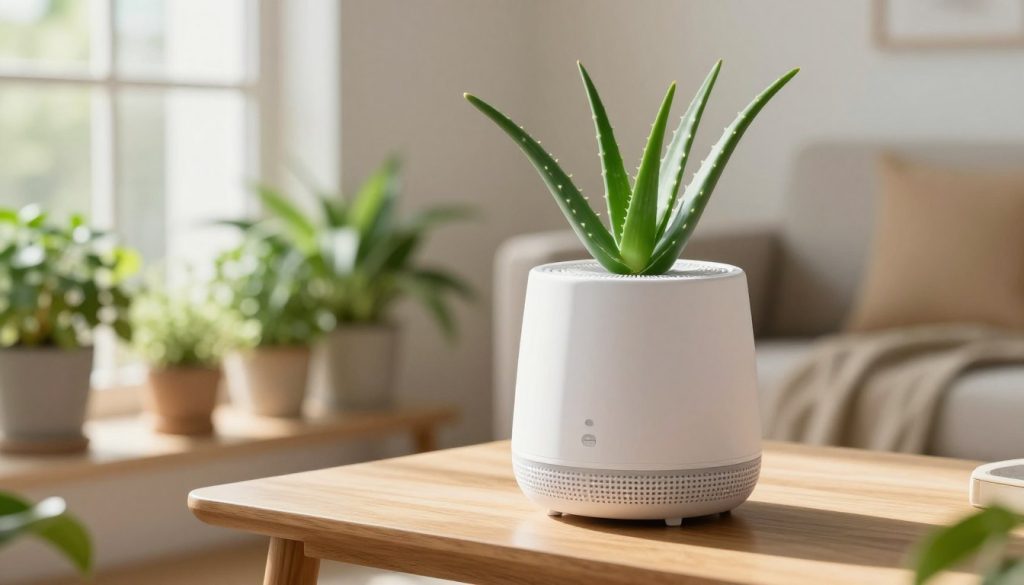
Choosing the right spot for your aloe vera boosts its air cleaning and adds beauty to your space.
English Ivy: The Compact Toxin Fighter
English ivy is a top pick for fighting toxins in compact plants. It’s great at purifying the air and easy to care for. It fits well in many indoor spaces.
Overview and What Makes English Ivy Effective
English ivy (Hedera helix) is a popular houseplant. It’s known for cleaning the air. It’s good at removing pollutants, making it great for homes and offices.
Airborne Mold and Fecal Particle Reduction
English ivy is great at cutting down airborne mold and fecal particles. This is perfect for homes with pets or people with allergies. It helps make the air healthier.
Formaldehyde Filtering
It’s also good at filtering formaldehyde, a pollutant in many products. By removing formaldehyde, it makes the air cleaner and safer.
Growing English Ivy Indoors
To make your English ivy thrive, follow these tips:
Temperature and Light Preferences
English ivy likes temperatures between 65°F to 75°F (18°C to 24°C). It does well in various light, from bright to partial shade. But avoid direct sunlight to prevent leaf scorch.
Watering and Pruning Tips
Water it when the top inch of soil is dry. Pruning is key to keep it looking good and growing well. Cut back long vines and remove dead leaves.
Creative Display Options
English ivy can be displayed in many ways. Here are some ideas:
- Train it to climb up a trellis or wall-mounted planter.
- Use it as a hanging basket to add greenery to your ceiling.
- Combine it with other plants in a mixed container garden.
Adding English ivy to your space can make the air cleaner and your environment more beautiful.
Rubber Plant: The Statement Air Purifier
The rubber plant stands out with its big, dark green leaves. It’s not just a pretty face; it also cleans the air.
It’s a favorite for homes and offices because of its looks and air-cleaning power.
Overview and Air Quality Improvements
The rubber plant is great at removing bad stuff from the air. It’s a must-have for any home or office.
NASA’s Clean Air Study says it’s one of the best plants for clean air.
Toxin Removal Capabilities
This plant is good at getting rid of formaldehyde and trichloroethylene from the air.
By doing this, it helps make the air healthier to breathe.
Oxygen Production Benefits
Like all plants, the rubber plant makes oxygen. This helps improve the air quality even more.
This process not only cleans the air but also adds more oxygen to the room.
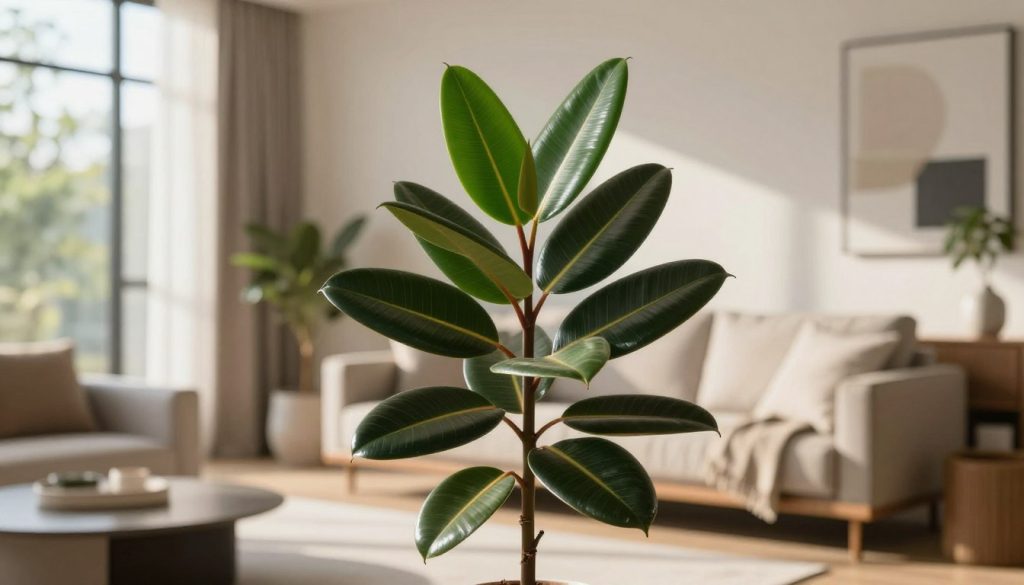
Essential Care Tips
To keep your rubber plant happy, it needs the right conditions.
This includes the right light and water, and keeping the leaves clean.
Light and Water Requirements
The rubber plant likes bright, indirect light. It needs to be watered well, but let the soil dry a bit before watering again.
Don’t overwater, or it might get root rot.
Leaf Cleaning and Maintenance
Wipe the leaves with a damp cloth to keep them dust-free. This also helps them photosynthesize better.
This simple step keeps the plant looking good and working well.
Managing Size and Growth
The rubber plant can get big if you don’t prune it.
Pruning keeps it the right size and makes it fuller and bushier.
By following these care tips, you can enjoy the rubber plant’s beauty and air-cleaning benefits.
Bamboo Palm: The Tropical Air Quality Booster
The bamboo palm is a great choice for improving indoor air quality. It’s easy to care for and adds beauty to any room.
Overview and Pollutant Removal Capabilities
The bamboo palm is known for cleaning the air. It removes harmful pollutants well.
Benzene, Formaldehyde, and Trichloroethylene Removal
This plant can get rid of benzene, formaldehyde, and trichloroethylene from the air. These toxins are in many household items and can harm your health. So, the bamboo palm helps make your home air healthier.
Natural Humidification
The bamboo palm also adds moisture to the air. This makes your home more comfortable, even when it’s dry outside.
Providing Proper Care
To keep your bamboo palm healthy and air-purifying, it needs the right care.
Watering and Humidity Needs
It likes well-draining soil and should be watered when the soil is almost dry. It also likes humid places, making it perfect for bathrooms or kitchens.
Light Requirements
The bamboo palm does well in bright, indirect light. Direct sunlight can burn its leaves. So, place it near an east- or west-facing window.
Space Requirements and Placement
Bamboo palms can grow tall, so they need enough room. They’re great for big rooms or areas with high ceilings. Choose a spot that’s not only big enough but also has the right light.
| Feature | Bamboo Palm | Other Tropical Plants |
|---|---|---|
| Air Purification | Highly effective against benzene, formaldehyde, and trichloroethylene | Varies by plant species |
| Humidification | Acts as a natural humidifier | Some plants provide humidification, but not as effectively |
| Lighting Needs | Prefers bright, indirect light | Varies; some require direct sunlight |
| Space Requirements | Can grow tall; needs sufficient space | Varies; some are compact, others can grow large |
Adding a bamboo palm to your home brings beauty and many benefits. It improves air quality and keeps the air moist.
Dracaena: The Versatile Air Cleaning Family
The Dracaena family has many varieties, each with its own benefits. They improve indoor air quality and add beauty to any room.
Overview and Different Dracaena Varieties
There are over 40 species of Dracaena, each with its own traits. Popular ones include Dracaena Marginata and Dracaena Fragrans.
Dracaena Marginata for Air Purification
Dracaena Marginata, or the Red-Edged Dracaena, is loved for its looks and air-purifying skills. It removes harmful toxins like formaldehyde and benzene.
Dracaena Fragrans and Other Popular Types
Dracaena Fragrans, or the Corn Plant, is known for its tall growth and fragrant flowers. Other favorites include Dracaena Reflexa and Dracaena Deremensis, each with special features.
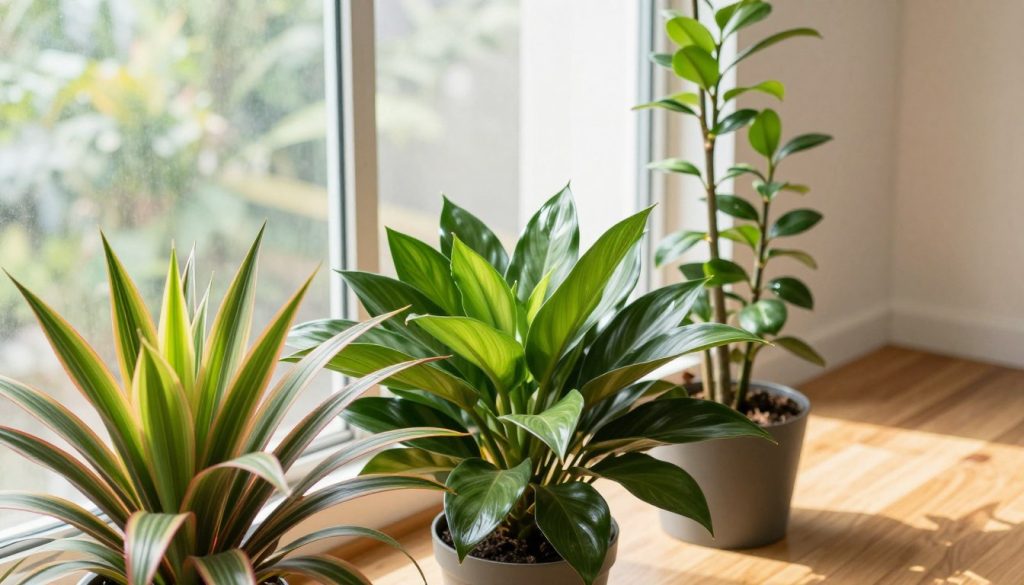
General Care Guidelines
Dracaena plants are easy to care for. Follow these tips to keep yours healthy:
Watering and Light Preferences
- Dracaena plants need well-draining soil and should be watered carefully. Let the soil dry between waterings.
- They can handle different light levels, from bright to low, making them great for various spaces.
Common Issues and Solutions
Dracaena plants can get brown leaves or root rot from too much water. Avoid these by watering right and keeping air moving around the plant.
Selecting the Right Dracaena for Your Space
When picking a Dracaena, think about its size, growth, and light needs. This ensures you choose one that fits your space and care level.
- Check the space and the size of plant you want.
- Look at the light in your home or office.
- Pick a variety that suits your care level and taste.
Chinese Evergreen: The Adaptable Air Purifier
The Chinese Evergreen stands out among indoor plants for its ability to remove toxins. It’s a great pick for those wanting cleaner air without losing style.
Overview and Why Chinese Evergreens Excel
Chinese Evergreen plants are known for their stunning leaves and strong air-purifying skills. They can remove harmful toxins from the air, making it healthier indoors.
Toxin Removal Efficiency
These plants are great at removing toxins like formaldehyde and benzene. These pollutants can harm your health. Adding a Chinese Evergreen to your space can greatly improve the air quality.
Adaptability to Various Conditions
Chinese Evergreen is also flexible with different lighting. It does well in low-light areas, making it ideal for rooms with little natural light.
Easy Care for Beginners
Looking after a Chinese Evergreen is easy, perfect for beginners. It needs little care and can handle some forgetfulness.
Minimal Maintenance Requirements
To keep your Chinese Evergreen in top shape, water it right and fertilize it in the growing season. Avoid overwatering, as it’s a common mistake.
Watering and Feeding Schedule
- Water your Chinese Evergreen when the top inch of soil feels dry.
- Fertilize your plant during the spring and summer months with a balanced fertilizer.
Variety Selection and Placement Tips
There are many varieties of Chinese Evergreen to choose from. Pick one that matches your decor. Think about the plant’s size when deciding where to put it.
For the best results, place your Chinese Evergreen in a room you use a lot, like the living room or bedroom. This way, it can purify the air more effectively.
Conclusion
We’ve looked at the top 10 NASA-approved indoor plants that boost air quality at home and work. From the easy-to-care-for Spider Plant to the elegant Peace Lily, these plants clean the air. They also make our spaces look beautiful.
Adding these plants to our daily lives helps improve air quality and makes our homes healthier. They remove harmful toxins and pollutants, creating a better environment for us and our families.
Each plant has its own benefits and needs. By picking the right plants and following care tips, we can enjoy cleaner air and a nicer home. Let’s bring nature indoors and breathe easier today.