
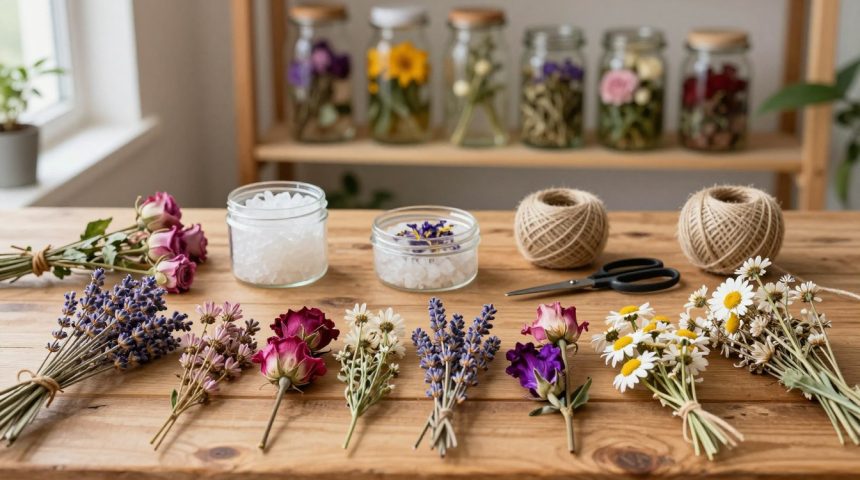
Have you ever received a bouquet so stunning that you wished it could stay fresh forever? While the short-lived beauty of a bloom is part of its charm, some moments are so precious we must keep them. Saving your favorite blossoms allows for revisiting those memories every time you walk into a room.
Whether it is a wedding arrangement or a simple gift from a friend, keeping these plants helps you capture a piece of history. Learning how to preserve flowers provides an easy way for decorating your home with personal flair. You can turn a fleeting gift into a long-term keepsake that brightens your space.
This guide explores various ways for keeping your petals looking beautiful for years. From traditional drying methods until modern sealing, you will find the perfect method for your needs. Let’s look at the best ways for keeping your floral treasures looking their best.
Key Takeaways
- Air-drying works best for creating rustic interior displays.
- Silica gel helps maintain natural petal colors and shapes.
- Pressing creates beautiful flat art for framed wall decor.
- Microwave drying saves significant time for busy crafters.
- Sealing finished bouquets keeps dust and moisture away.
- Start the process while your blooms are fresh.
Preparing Your Fresh Blooms for Preservation
Getting your fresh blooms ready is key to preserving them. You need to do a couple of important steps. These steps make sure your flowers are ready for the preservation method you pick.
Selecting the Right Flowers
Choosing the right flowers is very important. Different flowers have different moisture levels and petal types. This means some flowers dry better than others.
For example, roses and lavender dry well because they have low moisture and strong petals. But, flowers like orchids and lilies with high moisture don’t dry as well.
When picking flowers, look at their condition and type. Fresh, undamaged flowers give the best results. Also, some flowers are better for certain preservation methods. For instance, delicate petals might need pressing, while thicker flowers can be air-dried.
Trimming and Cleaning Stems
After picking the right flowers, trim and clean their stems. Trimming removes blockages that could stop the flower from drying right. Use sharp scissors or pruning shears to cut the stems at an angle.
Cleaning the stems is also important. It removes dirt or debris that could harm the flowers during preservation. Gently take off any leaves below the waterline or that are damaged. These can rot and spoil the rest of the flower.
By following these steps, you’ll be well on your way to successfully preserving your flowers.
Air Drying Flowers for a Rustic Look
Air drying flowers is a simple way to get a rustic look. It’s great for those who don’t want to use fancy equipment or chemicals. This method keeps the flowers’ natural beauty while adding a charming, aged look.
Choosing the Best Location for Drying
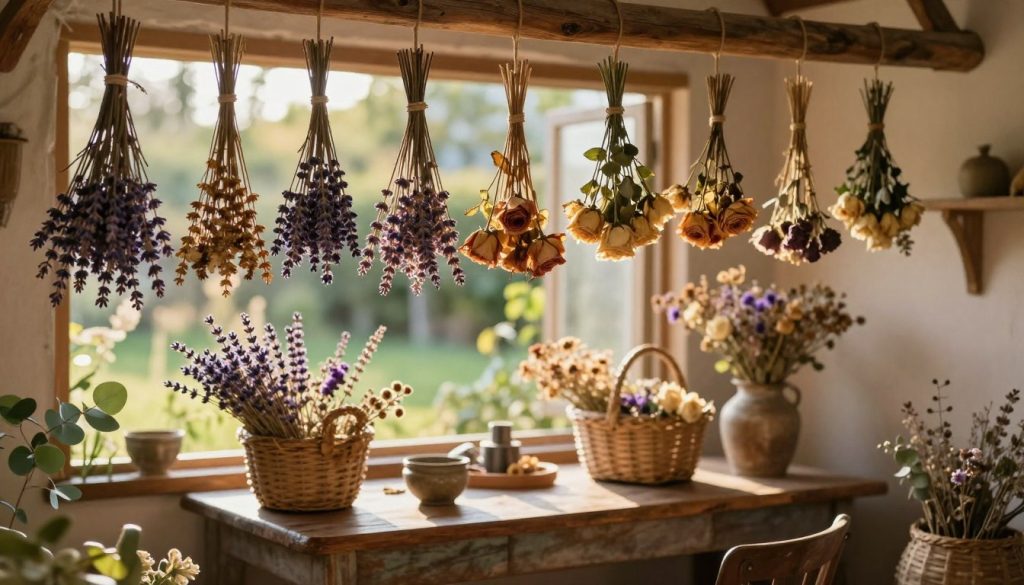
Finding a spot with good air flow is key for air drying flowers. Look for a dry, cool area away from sunlight. Places with too much humidity can cause mold or rot.
A spot with steady air flow and a temperature between 60-70°F (15-21°C) is best. You can dry flowers in an attic, closet, or garage if it’s dry and has good air flow.
Hanging Techniques for Optimal Shape
To dry flowers well, hang them upside down. This keeps their shape and prevents them from getting misshapen. Use rubber bands or twine to tie the stems together.
Using Rubber Bands vs. Twine
There are two main ways to hang flowers: with rubber bands or twine. Rubber bands are flexible and fit the stems as they shrink. Twine, on the other hand, gives a rustic look and can make a beautiful arrangement.
Rubber bands are often preferred because they’re gentle on the stems. But twine can add a cozy, homemade feel. Your choice depends on what you like and the look you want for your dried flowers.
How to Preserve Flowers Using Silica Gel
Silica gel is a simple and effective way to keep flowers looking fresh. It works by pulling moisture out of the flowers. This helps them dry slowly, keeping their colors and shapes intact.
Why Silica Gel is Best for Color Retention
Silica gel is great for keeping flowers’ colors bright. Unlike other methods, it doesn’t let colors fade. It dries flowers slowly, which helps keep their original colors.
Key benefits of using silica gel include:
- Effective moisture absorption
- Retention of flower color and shape
- A simple and relatively quick preservation process
Step-by-Step Embedding Process
Embedding flowers in silica gel is easy but takes some time. Here’s how to do it:
- Choose a container that is airtight and large enough to hold your flowers.
- Pour a layer of silica gel at the bottom of the container.
- Gently place your flowers on top of the silica gel, ensuring they do not touch each other.
- Cover the flowers completely with more silica gel.
- Seal the container and let it sit for 1-2 weeks, depending on the moisture content of the flowers.
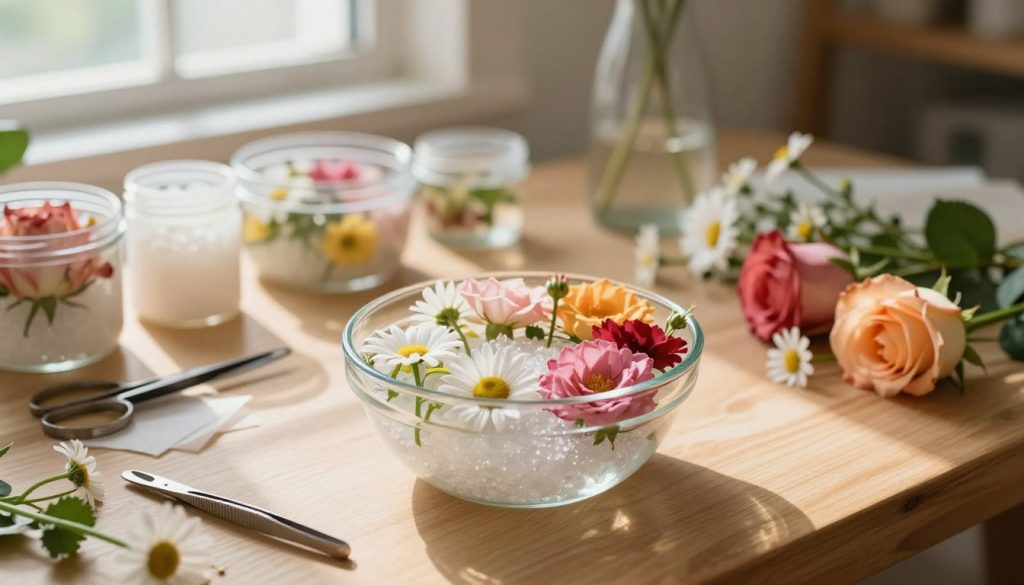
When working with delicate flowers, be very gentle. Use a soft brush to help the silica gel cover the petals. This way, you avoid damaging them.
Tip: For very fragile flowers, mix silica gel with borax. This makes the drying process even gentler.
Pressing Flowers for Keepsakes and Crafts
Flower pressing is a way to keep your favorite flowers forever. It’s a traditional method that turns flowers into flat, delicate petals. These petals are great for many crafts and keepsakes.
Craft experts say, “Pressing flowers is a simple yet effective way to preserve their beauty and extend their lifespan.” This method keeps the flowers’ color and shape. It also opens up a world of creative possibilities.
Traditional Flower Presses
Using a traditional flower press is a great way to press flowers. These presses apply even pressure, so flowers dry flat and keep their shape. To use one, place your flowers between the press’s paper sheets, tighten the screws, and wait a few weeks.
The key to successful flower pressing is patience and the right materials. You’ll need a flower press, absorbent paper (like blotting paper or paper towels), and your flowers. Change the paper often to absorb moisture well.
Alternative Methods with Heavy Books
If you don’t have a flower press, you can press flowers with heavy books. Place your flowers between the pages of a heavy book. They will be flattened under the weight. Use thick, absorbent paper to absorb moisture from the flowers.
Choosing the Right Paper for Moisture Absorption
The paper you use for pressing flowers is important. You need paper that absorbs moisture well. Blotting paper or paper towels are excellent choices because they absorb moisture well and are easy to replace.
When picking paper, think about its thickness and absorbency. Thicker papers or cardstocks can be used, but they may need to be changed more often to absorb moisture well.
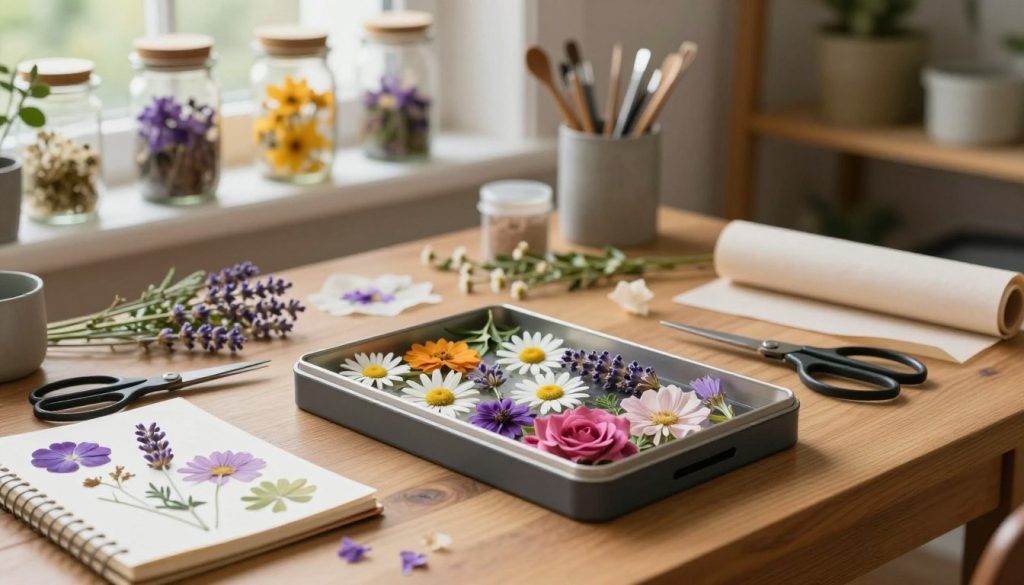
By choosing the right method and materials for pressing your flowers, you can make beautiful, delicate pieces. These pieces are great for many crafts and keepsakes. Whether you’re making art, decorating cards, or creating bookmarks, pressed flowers add elegance and personal significance.
How to Preserve Flowers in a Vase with Glycerin
Glycerin preservation lets you enjoy flowers longer. It uses a glycerin solution to keep flowers moist. This keeps their look and feel natural.
Understanding the Glycerin Absorption Method
The glycerin method replaces flower water with a glycerin solution. This stops flowers from drying out and losing color. It’s important to make sure flowers are fully in the solution.
First, prepare your flowers by removing leaves and trimming stems. This stops bacteria and helps flowers soak up glycerin well.
Mixing Your Solution
To make the solution, mix glycerin with water. A common mix is one part glycerin to two parts water. But, adjust it based on your flowers. Make sure to mix well so glycerin dissolves completely.
For example, to dry hydrangeas, use a vase with 1.5-2 inches of water. But with glycerin, use the solution instead of water.
After placing flowers in the solution, watch them closely. Check if they’re soaking up the solution right. If you see bacteria, change the solution’s strength or replace it.
The preservation time varies with flower type and solution strength. Be patient and watch your flowers change as they preserve.
How to Preserve Flowers in a Jar with Resin
Want a creative way to show off your dried flowers? Try using resin to seal them in a jar. This method keeps the flowers fresh and makes a lasting piece of art.
Preserving flowers in resin takes a few steps and some patience. First, pick the right resin for your project. There are many types, each with its own benefits.
Selecting the Right Resin for Floral Projects
When picking resin, think about clarity, thickness, and how long it takes to dry. For flower preservation, clear epoxy resin is best. It gives a shiny, clear look. Always mix it as the instructions say for the best results.
- Look for resins made for casting and encapsulation.
- Check the resin’s thickness to make sure it’s right for your project.
- Think about how long it takes to dry and if it fits your schedule.
Avoiding Air Bubbles During the Pour
One big challenge with resin is getting rid of air bubbles. To avoid this, pour the resin slowly and carefully into the jar. Fill it to the level you want. Use a tool like a toothpick to gently pop any bubbles that appear.
As a florist said, “I arranged the flowers in the shadowbox, gluing them in place.” You can do the same with your flowers in the jar before adding the resin. This way, they’ll be just where you want them.
“The art of preserving flowers is not just about maintaining their physical form but also about capturing their essence and beauty.”
Safety Precautions When Working with Chemicals
When working with resin and chemicals, safety is key. Wear gloves and work in a place with good air flow to avoid breathing in fumes. Always follow the instructions for handling and mixing the resin.
| Safety Measure | Description |
|---|---|
| Wear Protective Gloves | Prevent skin contact with resin and other chemicals. |
| Work in a Well-Ventilated Area | Avoid inhaling fumes from resin and other chemicals. |
| Follow Manufacturer’s Instructions | Ensure you’re using the products correctly and safely. |
Creative Ways to Display Your Preserved Flowers
Now that your flowers are preserved, you can explore many ways to display them. They can add elegance and personality to any room.
Framing Pressed Blooms
Framing pressed flowers is a beautiful way to create lasting art. You can use a simple frame or get creative with decorative frames. Choose a frame that enhances the colors and delicacy of the pressed flowers. As one expert says, “Framing pressed flowers is not just about preserving them; it’s about turning them into a piece of art that tells a story.”
“Framing pressed flowers is not just about preserving them; it’s about turning them into a piece of art that tells a story.”
Creating Shadow Boxes with Dried Bouquets
Shadow boxes are great for displaying dried bouquets. They add depth and dimension to your decor. Start by picking a box that’s deep enough for the bouquet. Arrange the dried flowers in a way that looks good, and think about adding ribbons or beads. Experiment with different layouts until you find one that you love.
To keep your preserved flower arrangements looking great, it’s important to take care of them. Dust the flowers gently with a soft brush, and don’t expose them to direct sunlight or moisture. By following these simple tips, you can enjoy your preserved flowers for years.
- Dust gently with a soft brush
- Avoid direct sunlight
- Keep away from moisture
Conclusion
Preserving flowers is a thoughtful way to keep their beauty alive. It’s great for wedding bouquets or just your favorite flowers. This article has shown you many ways to do it.
You’ve learned about air drying, using silica gel, pressing, and preserving in glycerin or resin. These methods help keep your flowers looking great for years. You can even add a personal touch by preserving them in a vase or jar.
By picking the right method and following our tips, you can enjoy your flowers for a long time. These simple techniques help you keep the beauty of your flowers alive. And they let you hold onto the memories they bring.